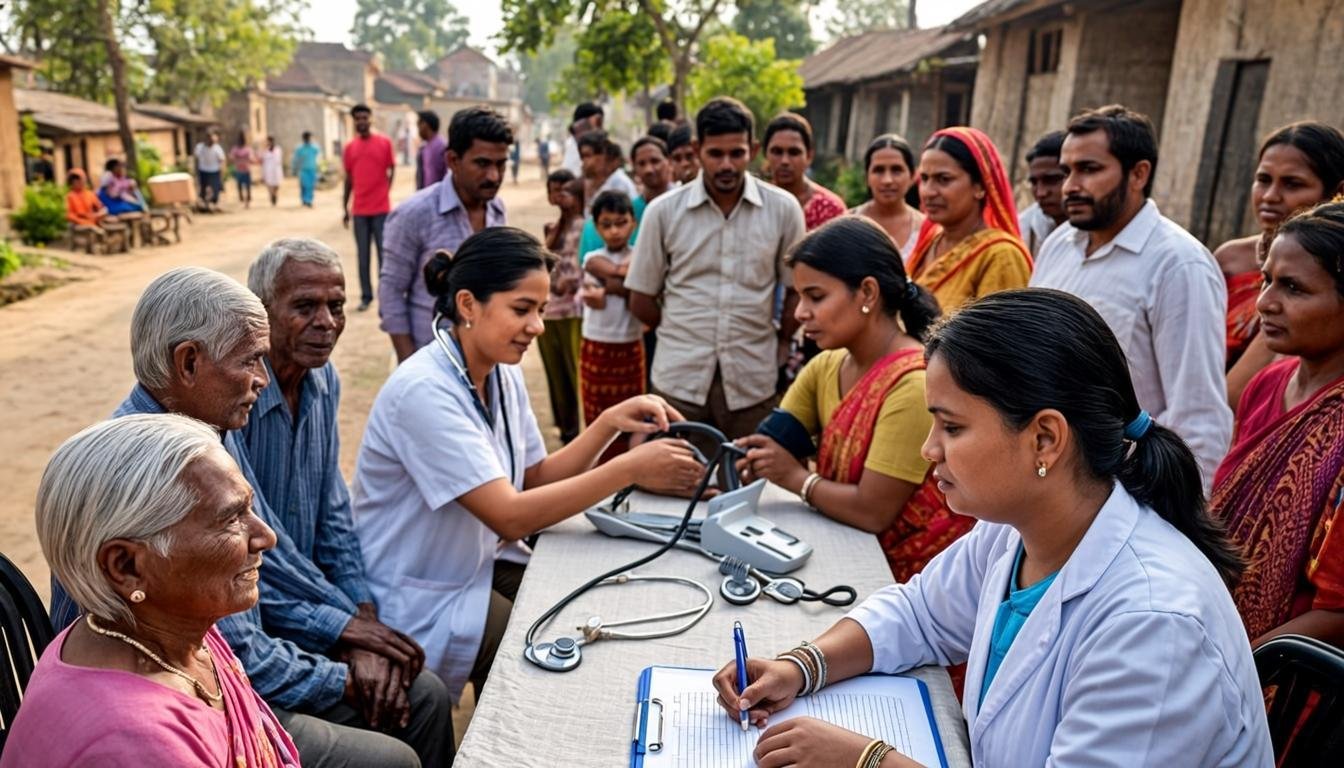
01 · HEALTH & FAMILY CARE
Pastor Family Welfare
Explore access to medical care, emergency support, family wellbeing resources and assistance during difficult life events.
The AICSS Independent Pastors Family Welfare Initiative is being developed to understand the practical welfare needs of independent pastors, evangelists, mission workers and their families — and to shape a responsible, sustainable and compassionate support framework.
People serving communities may experience the same family pressures as others: medical expenses, children’s education costs, uncertain household income, accidents, bereavement and the challenges of ageing. Some families may have limited access to formal welfare systems or reliable guidance.
AICSS proposes to listen first, understand these circumstances through a structured needs assessment, and then consider practical charitable responses in partnership with eligible institutions and service providers.
This initiative is not designed to replace existing organisations or public welfare systems. It aims to help eligible families understand available support, strengthen their resilience and access carefully governed charitable assistance where approved.

These focus areas guide the survey and programme design. Any future assistance will depend on formal approval, eligibility and available funds.
Explore access to medical care, emergency support, family wellbeing resources and assistance during difficult life events.

Consider education-related assistance, learning materials and connections to suitable scholarships or public schemes.

Understand the needs of older adults, dependent family members and families facing loss of income or bereavement.

Offer general legal awareness and connect people with qualified advocates, legal services authorities and appropriate support channels.
The programme will be designed to protect people, charitable funds and the integrity of the Trust.
Listen carefully, treat every person respectfully and avoid humiliating processes.
Use consistent, non-discriminatory criteria for genuine charitable needs.
Verify requests proportionately while minimising unnecessary personal data.
Use approved banking channels, institutional records and clear utilisation evidence.
No assistance programme will be launched simply because a need has been identified. Each step requires review and approval.
Conduct a voluntary needs assessment and understand the challenges reported by families.
Review findings, consult Member Organisations and identify capable charitable partners.
Complete legal review, define eligibility, budgets, safeguards and Board-approved procedures.
If approved, begin a limited pilot, monitor results and report programme performance.